Wednesday, March 30, 2016

Small Business Money Matters: Understanding and Optimizing Cash Flow

Cash flow plays a vital role in the survival of any business through all the stages of its life cycle. Nowhere is this more important during the buildup phase, where business owners must pay off debt obligations, pay employees, and stretch out the initial funds until the enterprise can get on its feet. Companies that fail to manage cash flow adequately within the first year of operations almost certainly fail to survive the following year.

As the business expands, the revenue accumulated would pay not only for the operational expenses but also serve as a gauge to determine potentials for growth. Frequent interruptions in cash flow can stymie development and may in extreme cases cause a business to grind to a halt.

Image source: entrepreneur.com
Cash flow management begins with finding the break-even floor, the point where revenues match expenses. Efforts must be made to break even, which may seem initially counterintuitive for those oriented toward profit, but would actually free business owners to pursue profit once all expenses have been covered. Payment capacity, in turn, should be based on actual revenues on hand rather than short-term profit projections.

Ensuring cash flow may also entail actively reducing and managing expenses. While some expenses can be eliminated from the onset (something lean startup advocates prioritize), others must be selected over others. Paying for everything all at once is a recipe for long-term disaster; whenever possible, businesses should get longer payment terms on loans and credit to reduce their initial monthly cost.

Image source: arborinvestmentplanner.com
Finally, business owners should make efforts to boost the amount of payments coming in. For sales-based businesses, this involves creative incentives to motivate employees to close more deals. Commission-based business-to-business enterprises should have in place a system to deal with the occasional late payments. Finally, businesses that offer in-store credit should have stricter requirements for any credit applicants.

Having behind it more than 30 years of experience in the revenue collections industry, Brennan and Clark works closely with clients to create programs that enhance their existing collections strategies. Visit this Facebook page for more on the company and its services.

Monday, March 14, 2016

Navigating Through the Process of Payment Collections

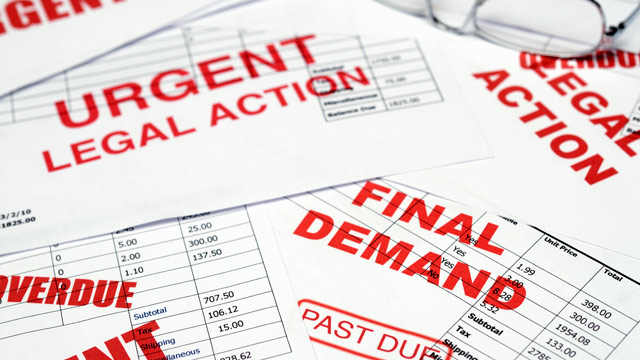
Payment collection is the awkward elephant in the living room that every business must eventually master.  Payments made on time are the lifeblood of the company, guaranteeing a steady stream of cash flow to cover operational expenses and invest in growth without squandering credit lines.

Image source: entrepreneur.com

Because making payments on time are an important matter, it is vital that businesses have the necessary information and documentation in place to assist in the process of collecting payments.  Documents like contracts and credit policies, for instance, can go a long way in reminding customers of the terms of the credit arrangement and schemes of payment.   Stricter protocol on credit should also be put in place to reduce the likelihood of extending credit to clients incapable of paying on time.


Though it may be awkward for everyone concerned, making a collection call or following up payments remain at the forefront of ensuring that payments are made.  It immediately provides feedback and allows for some degree of flexibility to reach a compromise when the situations demand it.


Finally, businesses should not hesitate to call in the services of a collection agency should the customer prove rather difficult to collect from.  Far too long a delay may make further attempts at collection difficult.   Having a competent collection service on call can prevent further losses to delayed and missing payments down the line. 

Image source: thestashed.com

Brennan and Clark goes beyond collections in providing clients with the needed assistance to secure cash flow and eliminate credit losses.  For more on the company and its services, visit this Linkedin page.

Thursday, January 7, 2016

Non-dischargeable Debts: Financial Obligations not Discharged by Chapter 7 Bankruptcy

Image source: calljacob.com
Some individuals and businesses overwhelmed by debt consider filing for bankruptcy to make a fresh financial start. However, while bankruptcy covers most unsecured debts, a bankruptcy discharge does not eliminate all debts and financial obligations.

Non-dischargeable debts are a type of debt that are not eliminated even when an individual has filed for bankruptcy. The following are some examples of non-dischargeable debts in Chapter 7 bankruptcy:

  • Domestic support obligations. This includes child support, alimony, and maintenance.
  • Legal fees from child custody and child support proceedings
  • Debts incurred through a divorce decree or settlement agreement
  • Court-ordered restitution, penalties, and fines
  • Debts resulting from personal injury or wrongful death lawsuits while operating a vehicle under the influence of alcohol or drugs.
  • Debts from willful and malicious conduct resulting in injury or death
  • Taxes and tax liens
  • Student loans and benefits
  • Unlisted or unscheduled debts
  • Debts that were deemed non-dischargeable in a prior bankruptcy filing
  • Debts incurred by fraudulent means
  • Some types of condominium dues, such as Homeowner's Association (HOA) fees


In Chapter 7 bankruptcy, certain non-dischargeable debts are given priority over other types of debts. If a debtor has turned over assets or property to a bankruptcy trustee for liquidation, the resulting disbursement will go toward priority debts first. Some of the most common priority debts in Chapter 7 are income taxes due within three years of the bankruptcy filing date, claims for personal injury or death and spousal and child support obligations
Image source: governmentnews.com.au
Chapter 7's automatic stay prevents collection actions against debtors by creditors or debt collection agencies, but only until the bankruptcy proceedings have concluded. Creditors can try to petition the courts to lift the stay if it no longer appears to serve its intended purpose.

To learn more about debt repayment and alternatives to bankruptcy, subscribe to this Brennan & Clark blog.

Wednesday, December 16, 2015

The Don'ts of Business Debt Collection

There is a wealth of literature about collecting debts from late-paying clients. And while many of these tips have proven effective in recovering debts, business owners still need to be apprised on how not to collect payments, probably because most of the guidelines are common knowledge. Still, when they have exhausted all means to collect payments from late-paying customers, some are bound to commit costly mistakes in debt recovery efforts.

Owners of small and medium-scale businesses relying on payments to keep their operations and cash flow healthy should avoid the following mistakes in managing their accounts receivable:

  • Incorporating additional fees or hiking up interest: Some business owners who have had enough of their delinquent customers slap on an additional fee or a higher interest, which they deem justifiable given the anxiety and stress they face chasing payments. However, doing so could just exacerbate the problem, with clients completely disregarding the penalties and the debt. It is best for business owners to adhere to their collection policies and terms no matter what.

Image source: credit.com
  • Letting emotions get in the way: Business owners who tirelessly reach out to late-paying clients will at some point get frustrated. And when emotions run over, a host of new problems is likely to emerge. For example, a frustrated business owner who has to make the nth collection call could resort to threatening or harassing a client just to get payment. Doing so, however, could translate to legal woes that could be detrimental to the health of the business.

Image source: bosslawyers.com.au
  • Waiting too long to contact a collection agency: If a business owner has exhausted all means to recover payment and still fails to collect, it is now time to hand over the responsibility to professionals. A collection agency like Brennan & Clark LLC can design a strategic plan that will maximize the chance of recovery.

Is your business plagued with delayed payments? Subscribe to this blog for more resources on the debt collection process.

Tuesday, November 3, 2015

Business Debt: Assessing The Need to File For Bankruptcy

Whether in using up credit lines or applying for bank loans, most businesses often incur debts as part of their operations. Not all companies, however, have to capacity to fulfill their obligations to their creditors.

This is the reality and sadly, many businesses file for bankruptcy as a means to redress their debts. Although bankruptcy can always be considered, it needs a lot of thought and effort on the part of the borrower to chip away financial obligations little by little.

Image source: www.mnagellaw.com
First, there is always a distinction among different kinds of debts. Some debts are held at much better esteem than others. That said, businesses should always reassess their financial standing with special focus on their credit standing vis-a-vis business performance.

For example, if current debt contributes to improved operations and therefore brings increased income, then filing for bankruptcy can be considered “premature” since the business is still earning from the debt incurred. Bankruptcy should be filed during hopeless cases, i.e., when debt has eliminated the income potential of the company.


Image source: www.sandiegoresidentialappraiser.com
Although filing for bankruptcy may offer many advantages such as wiping out certain debts, it can also mean, depending on the contract, returning properties to the creditor. This rule is applicable to “secured debts” or loans such as car loans and mortgages, wherein personal property have been put up as collateral for unpaid loans.

Before filing for bankruptcy, financial obligations must be addressed in a strategic way. There are many options for restructuring debt or paying it off slowly. Companies that mediate for debt solutions between creditor and borrower could also be tapped.  

Brennan & Clark is a collection agency that offers customized receivables support solutions to businesses. Follow this Twitter account to learn more about the company.

Monday, October 5, 2015

Paying Off Medical Debt: On The Road to Health and Financial Recovery

Anyone who's been in debt knows how this difficult situation can take a toll on one's health because of the worry it can cause a person. And yet sadly, when it comes to racking up considerable debt, having to go to the hospital is one of the leading perpetrators. But before one allows the misery of debt get in the way of making a full recovery, it's worth looking at these tips for managing and paying of medical bills.
  
1)Take care of bills as soon as possible. Naturally, the best way to avoid going into serious debt is to take care of bills right away, especially as ignoring these can put a dent on one's credit score. Besides, it might be possible to bargain with the healthcare provider if done before the bill heads to the collections department.  
Image source: huffingtonpost.com


2)Negotiate with the hospital. As mentioned earlier, it's quite possible to bargain with the hospital. Not too many people think to do so but approaching one's medical provider to negotiate for lower rates on medical procedures can be worth the effort. Some options to consider are asking for discounts, recommending an installment plan, or offering a down payment for a reduction on the bill.  

3)Understand the bill thoroughly. Considering the amount of items contained in a medical bill, it's not impossible that there may be overcharges tacked on to the bill so it's best to read each item closely to know if there are duplicates or charges that shouldn't be in the invoice.

Image source: wikimedia.org
Understandably, there may be some item or procedure codes that patients might not easily comprehend. Don't be afraid to ask about these even if it means going through the entire bill.   

4)Look into assistance – financial or otherwise. There are many avenues for getting financial aid to pay for one's medical bills. Low-income individuals may qualify for Medicaid or assistance programs from the local government; similarly, there are state- and local-level insurance plans for children from lower income families. Nonprofits and even the hospital itself may also have programs that help reduce or completely pay off bills, but due diligence on the part of individual or family may be necessary as there aren't always advertised.

Meanwhile, credit counselors, medical billing advocates, and support groups can also provide invaluable help in managing and organizing debt repayment, finding information regarding financial aid, as well as resolving billing disputes.  

5)Think about filing for bankruptcy. A CNBC.com article reported that being unable to manage medical bills is the biggest reason for bankruptcy in the country. It can be a last ditch strategy as while filing for Chapter 7 bankruptcy can afford one a "clean slate," it can also mean a lower credit score. Besides which, not everyone is eligible for Chapter 7 bankruptcy, so it's best to weigh one's options and consult with an expert choosing this step.

For more on ideas on how to manage and pay off debt, subscribe to this Brennan & Clark blog.

Wednesday, August 26, 2015

Back to Basics: Simplifying the Debt Collection Process

In a bid to collect payments from clients, businesses devise ways that they believe will get results. However, many business owners still fail to collect what is due to them because their clients refuse to communicate with them or plainly ignore their pleas. When clients show no willingness to hand over payment, how should business owners respond?

http://a.abcnews.com/images/Business/gty_debt_collection_jt_120318_wmain.jpg
Image source: abcnews.com


The solution, according to debt collection experts, is having a system in place for managing account receivables. Most of the time, entrepreneurs, especially small business owners, do not have a plan when it comes to collecting payments. Entrepreneurs tend to value their relationship with their clients, so some want to be as lenient as possible about payment terms and agreements. Such mindset, however, can severely affect their cash flow. 

From the start, business owners should be clear with their clients about their payment arrangement. Setting payment expectations and payment standards also allows business owners to be in control from the beginning. Before accepting a client, entrepreneurs should conduct a credit and background check. Business owners should also avoid extending payment terms for any client. A tracking system for all account receivables should be in place. Investing in an accounting software helps businesses manage finances. Moreover, such software can be programmed to set alerts for upcoming and late payments.

http://www.africareport.com/wp-content/uploads/2015/06/1435149187_featured-696x451.jpeg
Image source: africareport.com


In the end, consistency in business practices is key to an effective and smooth debt collection process. With an efficient collection strategy in place, entrepreneurs can concentrate on other important elements for the success of their business.

Follow this Brennan and Clark Facebook page for more tips on effectively managing your account receivables.